For the photographs in the shoebox, and the person who remembers them

Every photograph has a story waiting to be asked.

Point your phone at an old picture. A calm voice asks, “Tell me about this one.” Tell it, then the next one, and the next. Memri keeps every word in your own voice, learns the names, and uses them to bring the photos, letters and recipes to life for the whole family.

Point→Tell→Next
First letter free Always says it's AI Names and stories stay your family's
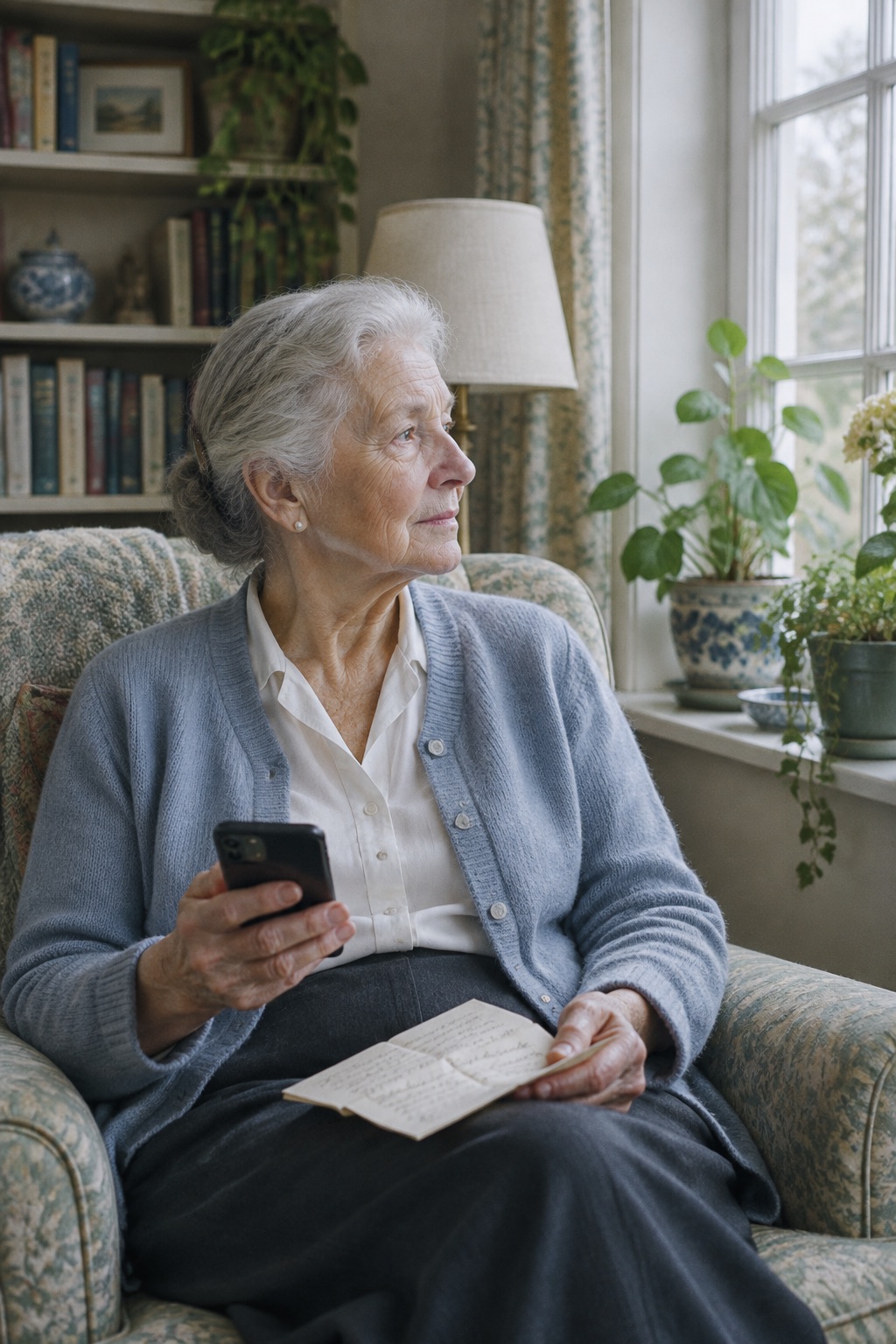
An older woman in an armchair by a window, holding her phone
AIMemri asks“Tell me about this one.”
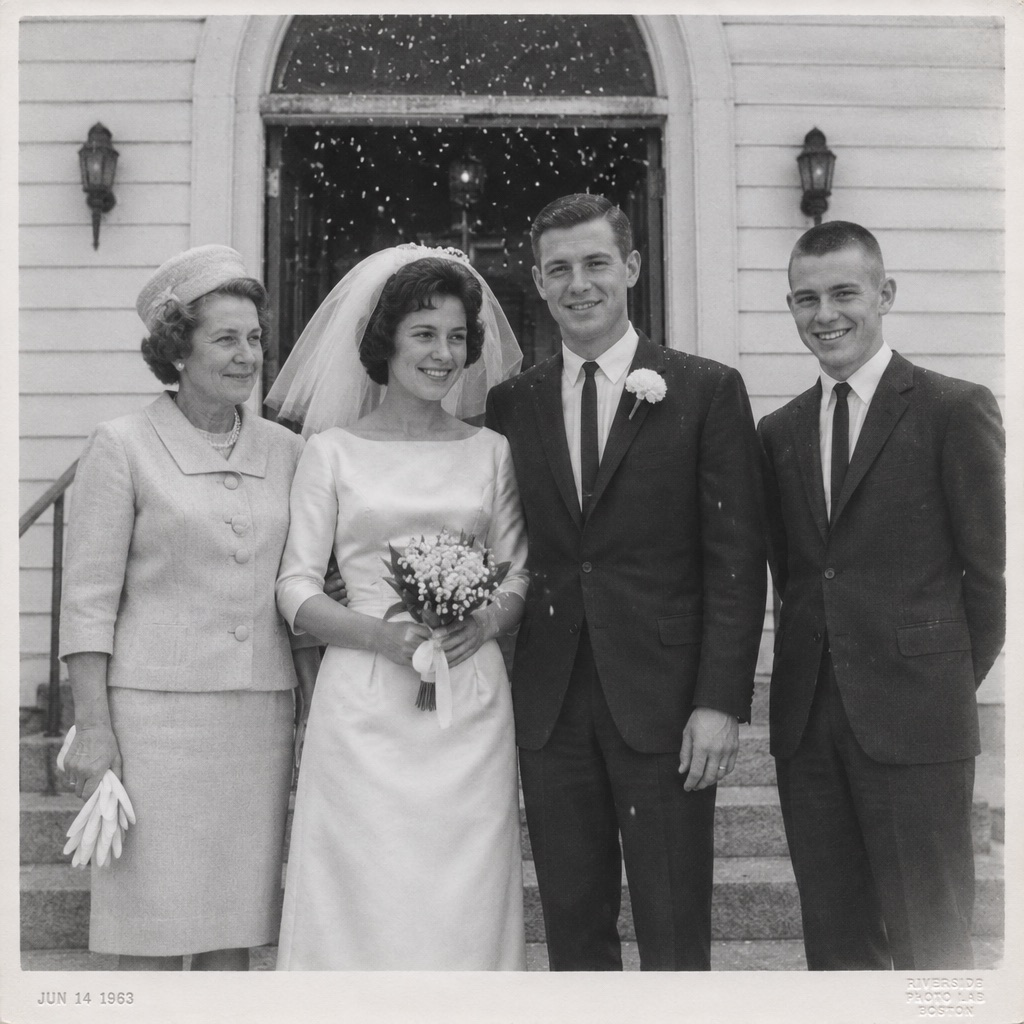
Wedding photograph, 1963
Ruth · recording

That's my aunt, June Kessler. She made my dress herself.

Added: June Kessler, aunt

Someone you love is sitting with a shoebox of letters.

16M

Americans 65 and older live alone.1

78%

of Americans 65+ own a smartphone.2

63M

family caregivers in the U.S., most of them working.3

How it works

Point. Tell. Next.
Then it comes alive, and it's passed on.

A family member sets it up in about ten minutes. After that, the person you love only has to do what they already do best: talk about the pictures.

A black-and-white wedding photograph on church steps, 1963
Tell me about this one.
01

Point and tell

Hold the phone over a photograph: a wedding, a vacation, the day the shop opened. A calm voice asks for the story and a gentle follow-up or two. Then the next picture.

  1. 1“Who's standing next to you?”
  2. 2“Where was this?”
  3. 3“Shall we try the next one?”
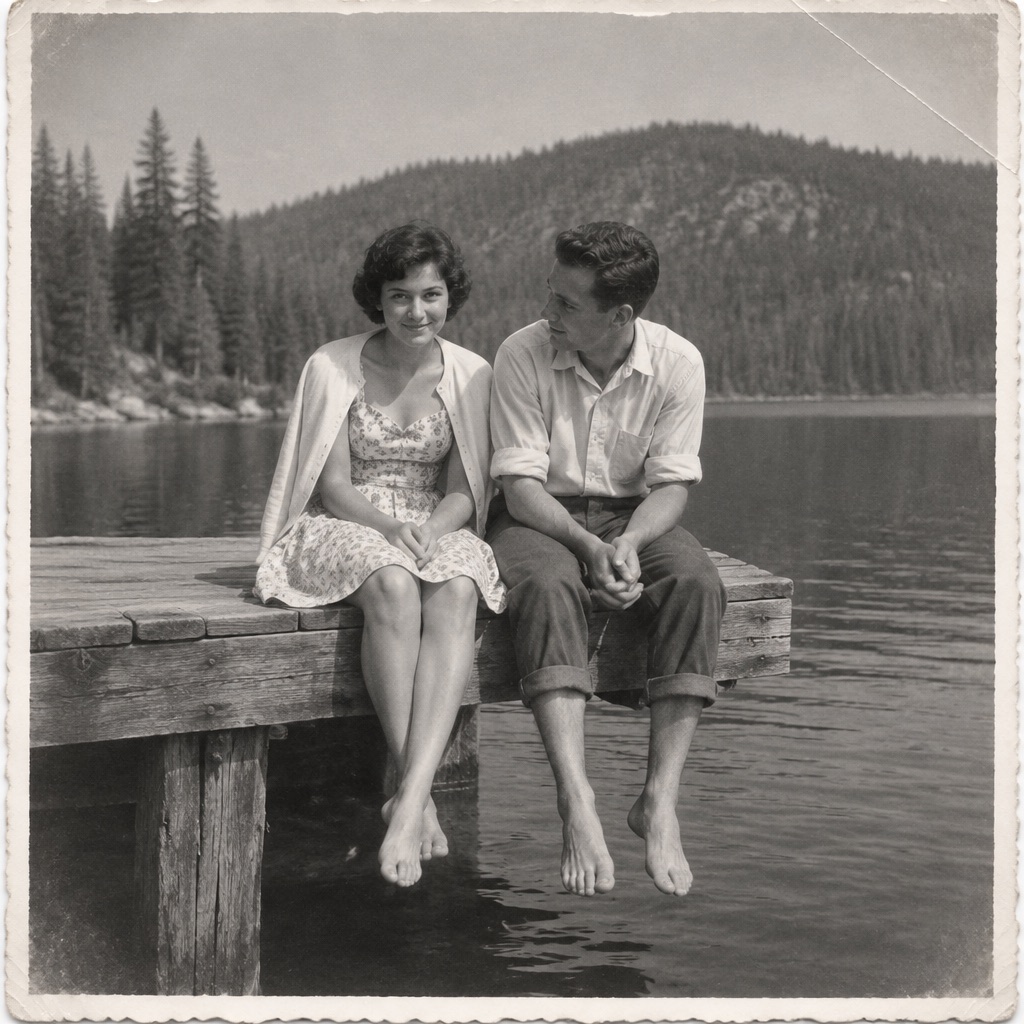
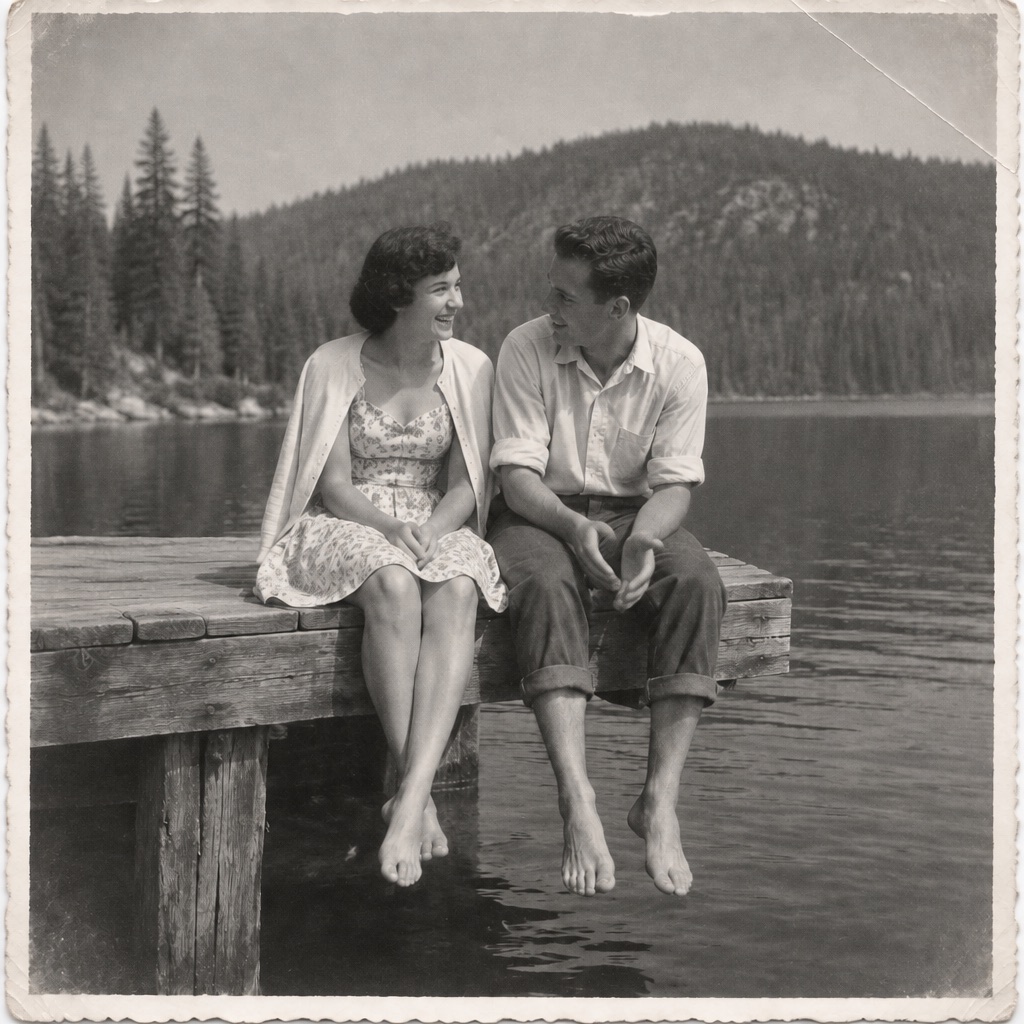
A young couple on a lake dock, 1962Motion made by Memri from the still photo
02

It comes alive

Because they told it, Memri knows who is where, what was happening and what the day was like. Photographs move gently and clearly labelled, letters are read aloud, and questions get answered from their own words.

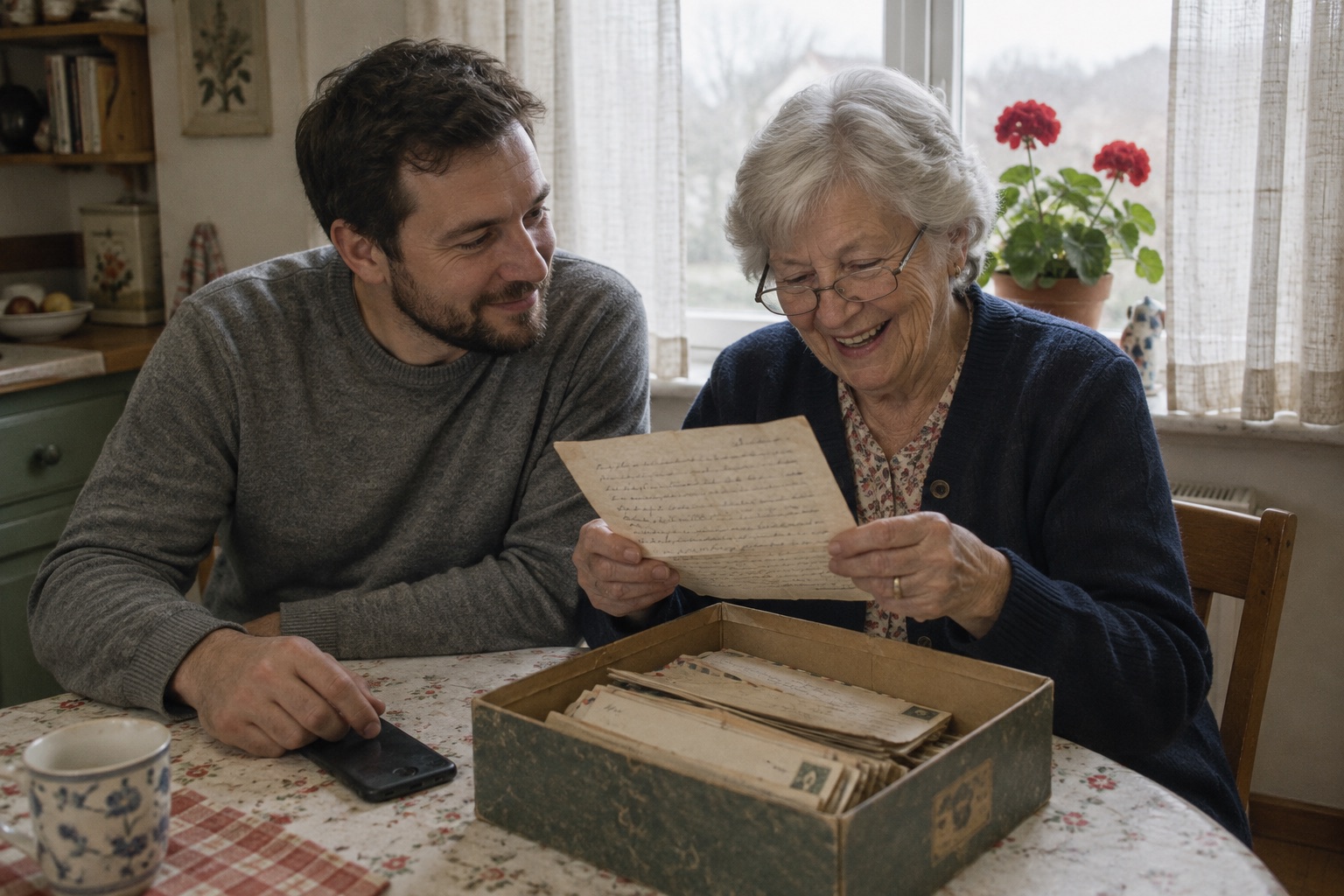
A grandson and his grandmother laughing over a box of letters
03

It's passed on

Every story is kept exactly as they said it, in their own voice, and every name joins a family graph linked to the photo and the moment it was said. The grandchildren can open it now, or in forty years.

The family graph

Every name she mentions finds its place.

While she talks, Memri picks up the people, places and days, and links each one to the photograph and the recording where she said it. By the third photo, it knows who Artie is.

  • Tap a person to see every photo they're in and every story about them.
  • The family can fix a name or a date. The recording stays exactly as it was said.
  • It belongs to your family, not to us: private, exportable, never sold or used to train AI models.
A sample family. Faces are cropped from their own photographs.
Try it

Watch the ink lift off the page.

This is Walter's letter to Ruth, March 1962. Press the button, then ask it a question.

Walter to Ruth · 14 March 1962AI

The words will appear here, read aloud by Clara, Memri's reader voice.

Clara, AI reader voiceNot Walter's voice. Memri never imitates him.

A demonstration with a sample family. In the app, answers come only from the page and from notes your family adds.

Who it's for

Two people, one box.

Memri is set up by the family and used by the person they love. Each gets an app designed for them.

A grandson and grandmother at the kitchen table
For families

Tend it from anywhere.

  • Sit with them for the first three photos. After that, names arrive from their stories and you fix or add.
  • See what was shared each week, hear new stories in their own voice, and explore the family graph.
  • Decide who in the family can see what. Pause it any time.
  • Up to five family members on one plan.
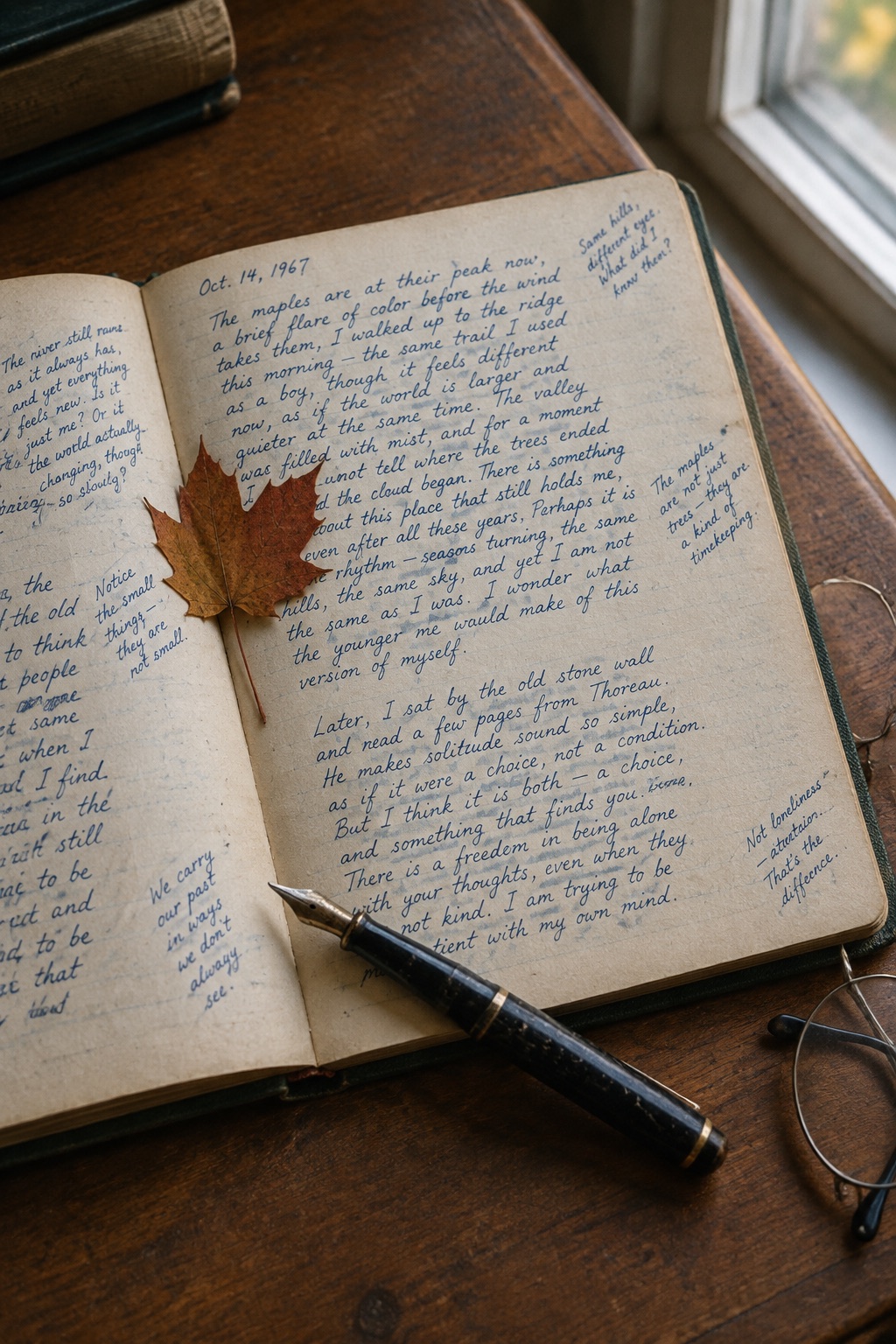
An open notebook with handwriting in the margins
For grandparents

One big button.

  • Point at a picture and talk. Memri asks, listens and waits when you pause.
  • Large type, slow reading, and the words highlighted on the page as they're read.
  • Ask questions out loud. No typing, no menus, no settings.
  • Built on type designed for low-vision readers.
Trust and consent

We don't bring anyone back. We bring their words to the table.

Older adults are the target of voice-clone scams. Memri is built so a family can hand it to someone they love without a second thought.

No voice without consent

Memri never recreates a real person's voice without that person's own documented consent. Letters are read by Clara, our AI reader voice, or by a living family member who recorded and consented.

Always says it's AI

In every conversation and on every screen. It never speaks as the person in a letter or a photograph, and the setting can't be turned off.

Only what you shared

Answers come from their own stories, the page, and your family's notes. When Memri doesn't know, it says so, and asks.

Motion is labelled

When a photograph moves, it says the motion was made by Memri. The original is always one tap away.

Your family's box

Private by default. Not sold, not used to train AI models, and exportable or deletable in full.

Gentle by design

No streaks, no ads, no nagging notifications. Not a medical device or a substitute for care.

Memri will never
  • Pretend to be someone
  • Imitate a voice without consent
  • Guess at a family secret
  • Ask for money or passwords
  • Show ads
Pricing

One plan for the whole family.

Your first letter is free, with no card needed. If it brings a letter to life for someone you love, the family plan keeps it going.

Launch pricing for families who join the waitlist. Prices in U.S. dollars.

Launch pricing
$119per year
About $9.92 a month. Easy to give as a gift.
First letter free. Bring one letter, recipe or photograph to life before you decide.
  • Unlimited letters, recipe cards and photographs
  • Daily companion that knows your family
  • Stories recorded in their own voice
  • Family keepsake box for up to five members
  • Export everything, any time
Join the waitlist
Questions

What families ask first.

Will it sound like my grandfather?

No. Memri never recreates a real person's voice without that person's own documented consent, so a letter from someone who has died is read by Clara, Memri's warm AI reader voice. A living family member can record their own voice for Memri and withdraw it at any time.

Does it make up answers?

Memri answers from the page in front of it and from notes your family adds. If the letter doesn't say and nobody has told it, Memri says so, and invites the person to tell the story themselves.

What if it can't read the handwriting?

It marks the words it isn't sure of and asks. Faded pencil, cramped margins and old cursive are what Memri is built for, but it will never guess silently.

Do the people in photographs talk?

Photographs move gently, labelled as motion made by Memri and shaped by the story that was told about them, and you can ask about who is in them. They don't speak, and Memri never speaks as them.

What happens to the names and stories?

They stay in your family's private keepsake box. Each recording is kept exactly as it was said, and the names, places and dates Memri picks up form a family graph, each one linked to the photo and the moment it was mentioned. Family members can fix or remove any entry, and the person telling the stories can see it too. It's never sold or used to train AI models, and you can export all of it, graph included, or delete it in full.

Is it right for someone with memory loss?

Many families use old letters and photographs to spark conversation, and Memri is designed to be calm and simple. It is not a medical device or treatment. Talk to their care team, and remember the family can pause Memri at any time.

Who can see what's shared?

Only the family members you invite, and the person using Memri can see that list too. Full conversations stay private unless they choose to share them. Nothing is sold or used to train AI models.

What phones does it work on?

We are launching on recent iPhone and Android phones. The person using it only needs to hold the phone over a page; the family member does the setup.

Start with one photograph and one question.

Join the waitlist and we'll let you know when Memri opens to families. Your first letter is free.